For any of us, 8,000 km sounds abstract. And the slogan "the world's toughest rally" seems like a marketing slogan created for media purposes.
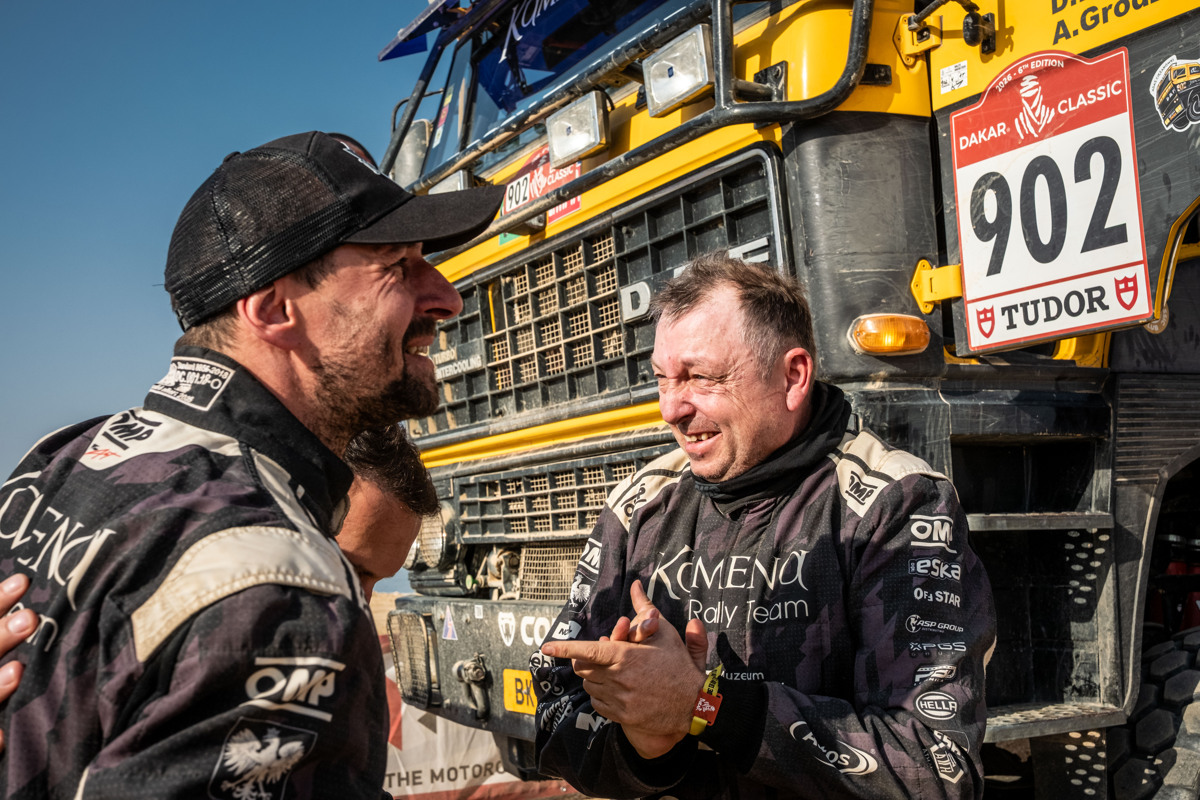
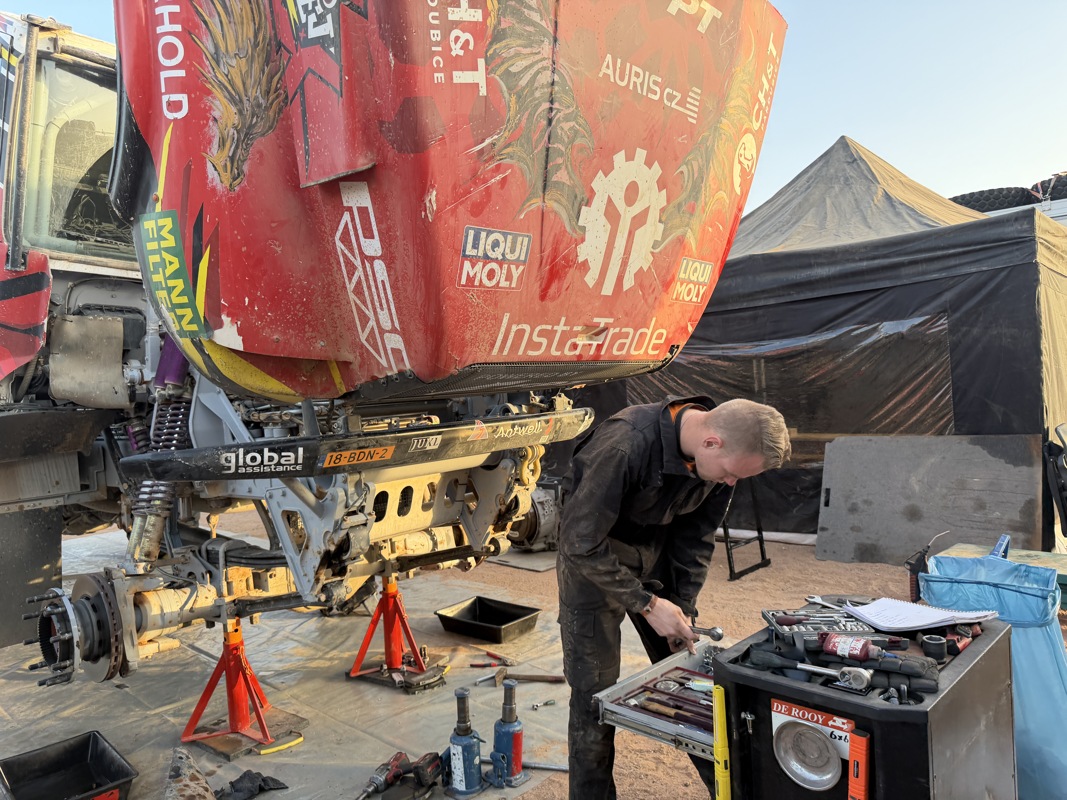
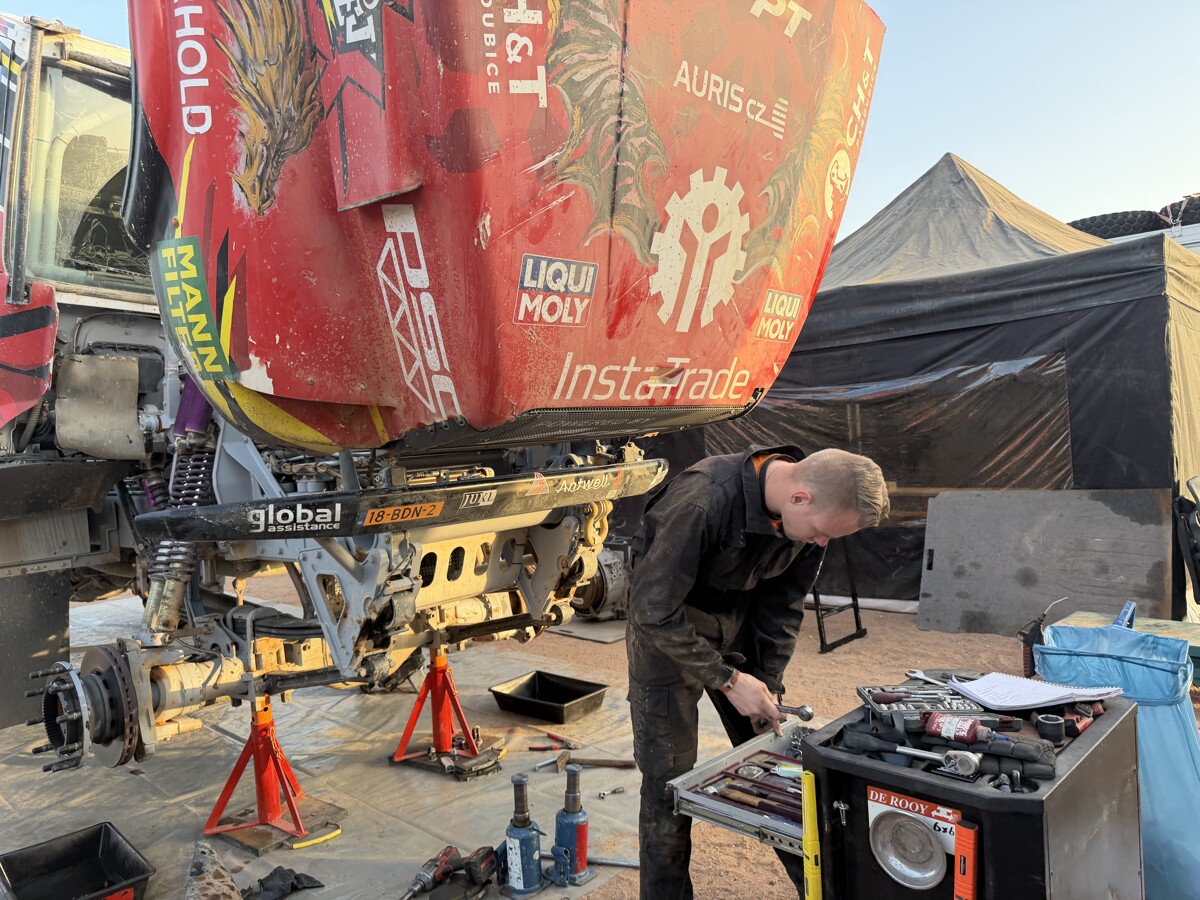
For each of us, these numbers are just dry statistics—until we see the sleepless nights behind them, the fatigue etched on the mechanics' faces, decisions made under the pressure of seconds, and temperatures that forbid any mistake. The Dakar only ceases to be an abstraction when you're standing in the middle of the desert and witness how this rally exposes the limits of man, equipment, and team endurance. I spent nearly four weeks in Saudi Arabia, accompanying the Kamen Rally Team on their challenge. Every day, I witnessed their emotions, listened to reports from the special stages they completed. I spoke with the mechanics—about the legendary DAF 3300, about "Dakar" tidbits, experiences, and fatigue. I helped Gerard de Rooy fry pancakes for the team, exchanged observations about the effectiveness of diagnostic equipment with team manager Henk. I carried water, but above all, I made sure you saw a Dakar different from the media. The real one. Not sugarcoated. So what is this "world's toughest rally" really like? It's certainly extreme. If only because keeping a car ready to conquer dunes, rocks, and desert—in excruciating temperatures, dust, and sand—is a monumental challenge . Every day I saw mechanics impatiently waiting for the competitors, only to learn they wouldn't sleep that night. Because the suspension needed work, because the axle needed replacing, because the turbocharger had failed, because there had been an unexpected crash. The fate of the team's multi-million-dollar budget rested in the hands of these two, sometimes three, mechanics. They determined whether sponsor logos would flash in the media again. Whether the competitors would give another interview. Whether they would finally take the ramp with the inscription: Finish line—you are Dakar's hero . Did they succeed? Car repaired? The crew off for another special stage? No time for handing out medals or patting each other on the back. You have literally 30 minutes to pack your tools, assemble your stand, and hit the road. 800 km await you. Another camp has to be set up and you have to get there before the competitors. You never know what will need repair this time. And so it goes for the next 14 days. For the mechanics, it's an effort unlike anything they experience every day.
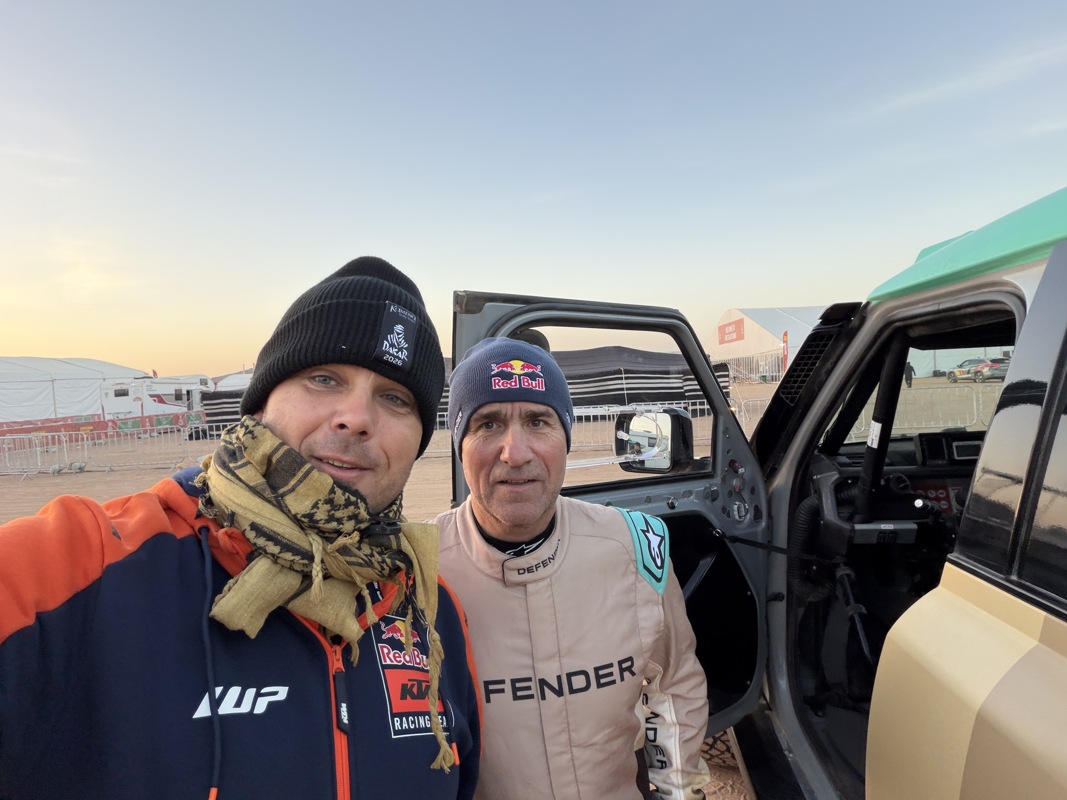
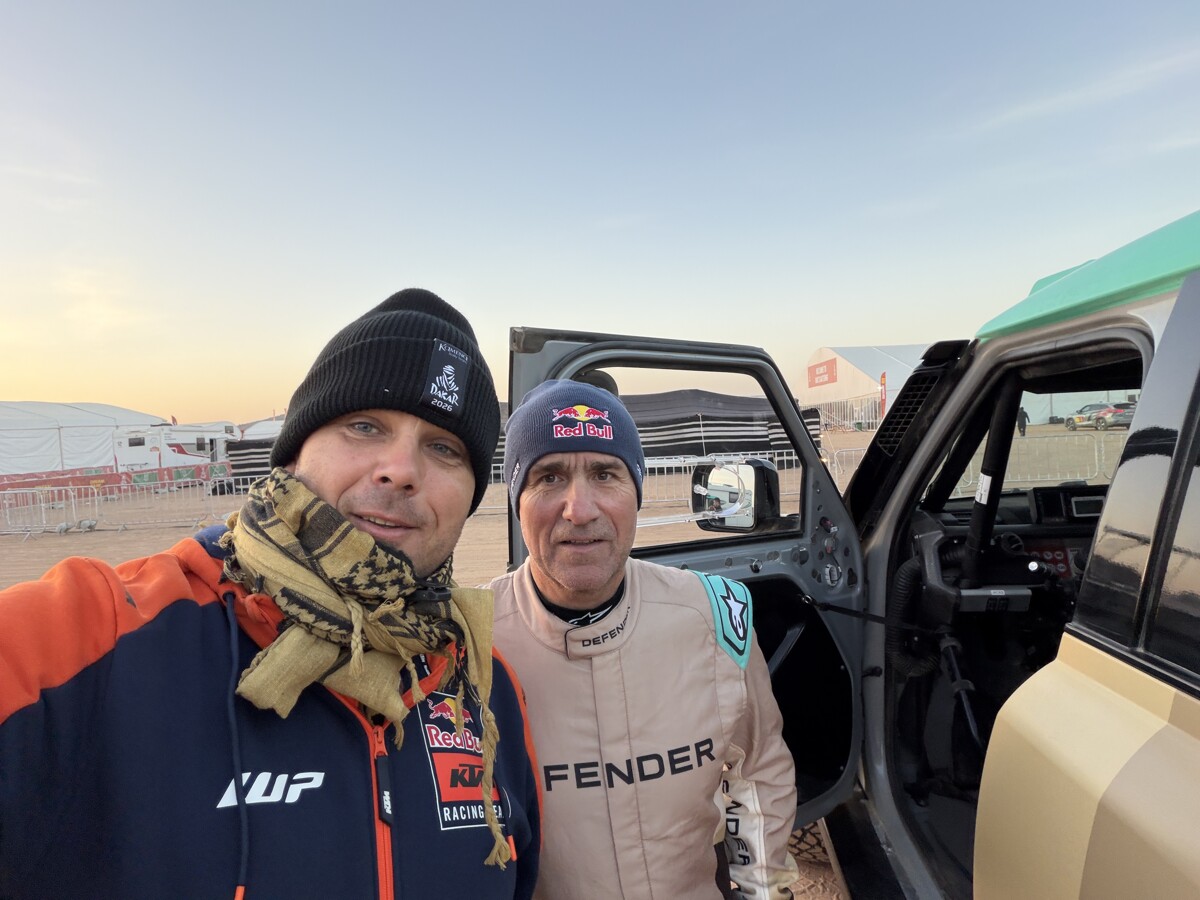
In 2026, victory at the finish line was decided by minutes, sometimes seconds. It sounds unbelievable, but in the motorcycle class, after two weeks of racing, the loser and the winner were separated by… two seconds. In trucks, it was 20 minutes. How focused must you be, how hard must you push, so that after 8,000 km, the blink of an eye decides who will go down in history and who will be forgotten. Yes, extreme is a very good word. What enormous pressure must drivers endure when they constantly feel their rivals breathing down their necks. You can't afford a moment's relaxation. Did you give up before the dune? You're about to lose the Dakar. Have you lost your way? You might find you can't make up for those losses. How can you maintain such top form when you wake up at 3-4 a.m. every day, then spend several hours fighting for the result on the course in 55-degree heat, and at the finish line, all that awaits you is… preparation for the next stage? Would you like to rest? Of course. In two weeks. There's no chance of that now. Why is this rally so difficult? Because no car or motorcycle in the world has ever been tested in such extreme conditions. Dozens of Defender engineers paying attention to every detail. Ford service centers and Dacia Sandriders, where mechanics bustle like crazy.
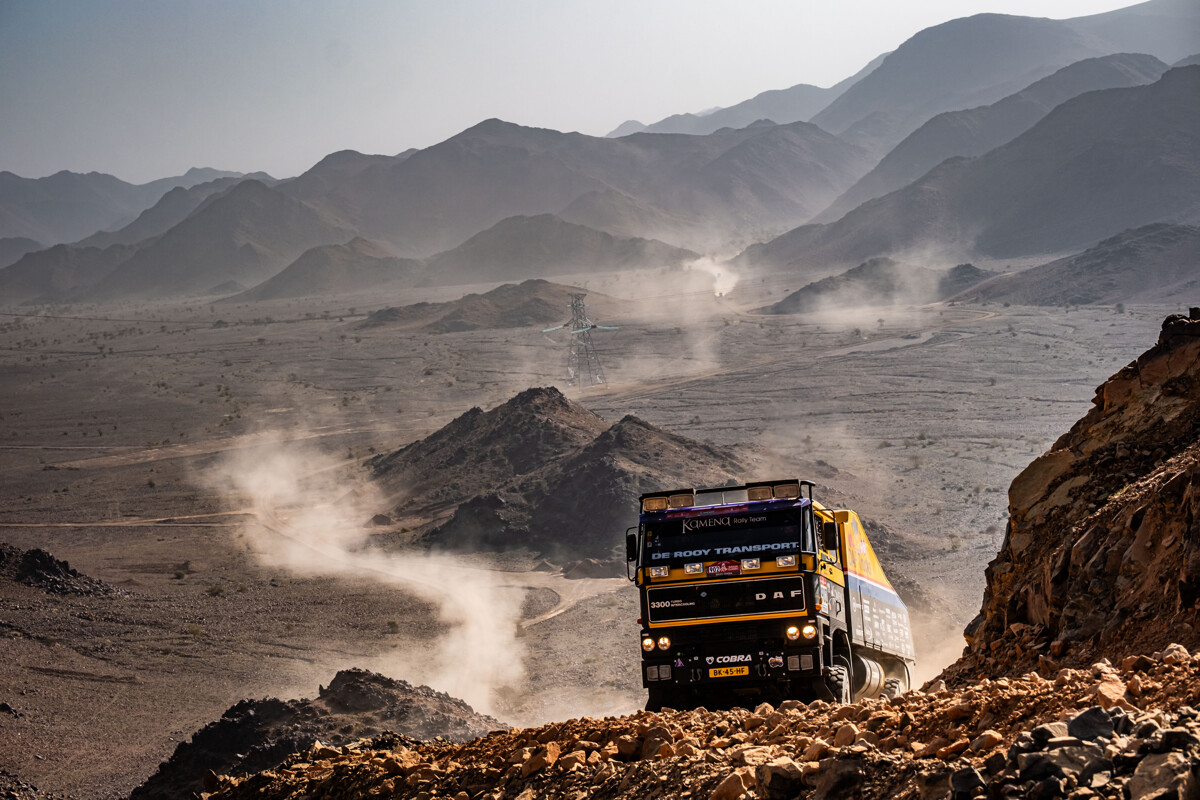
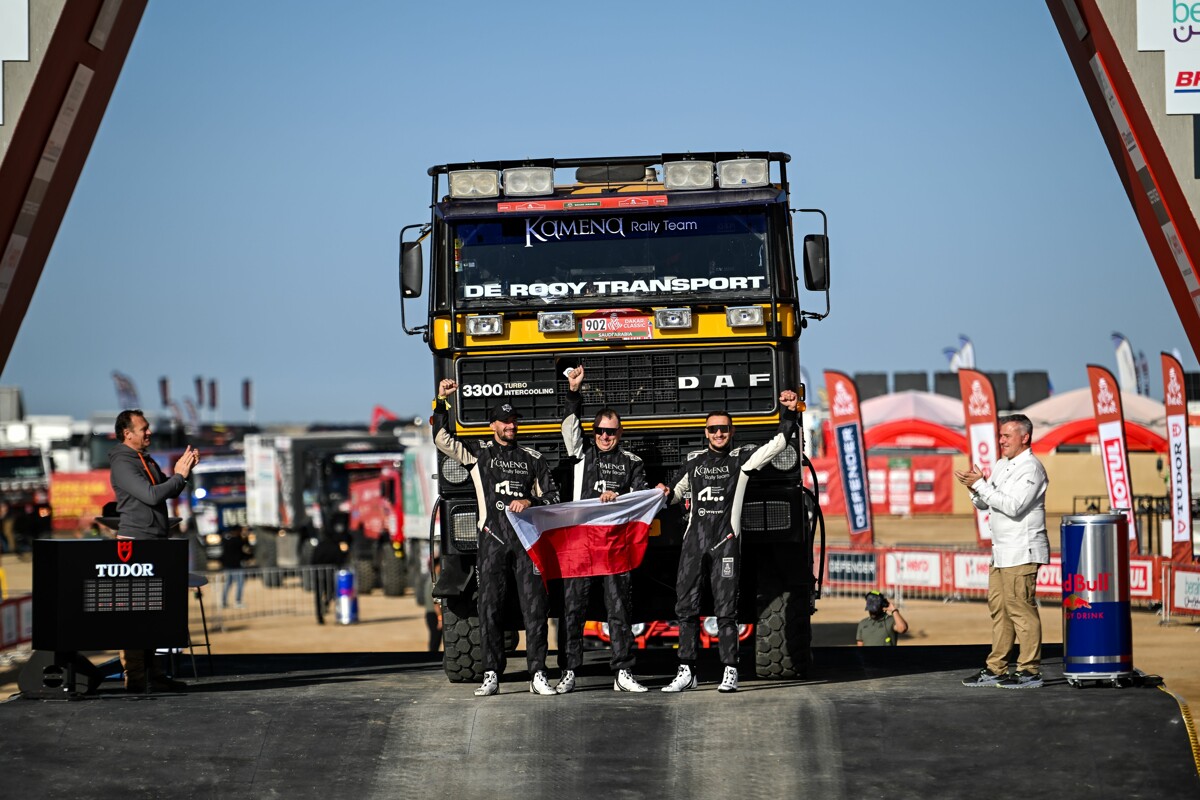
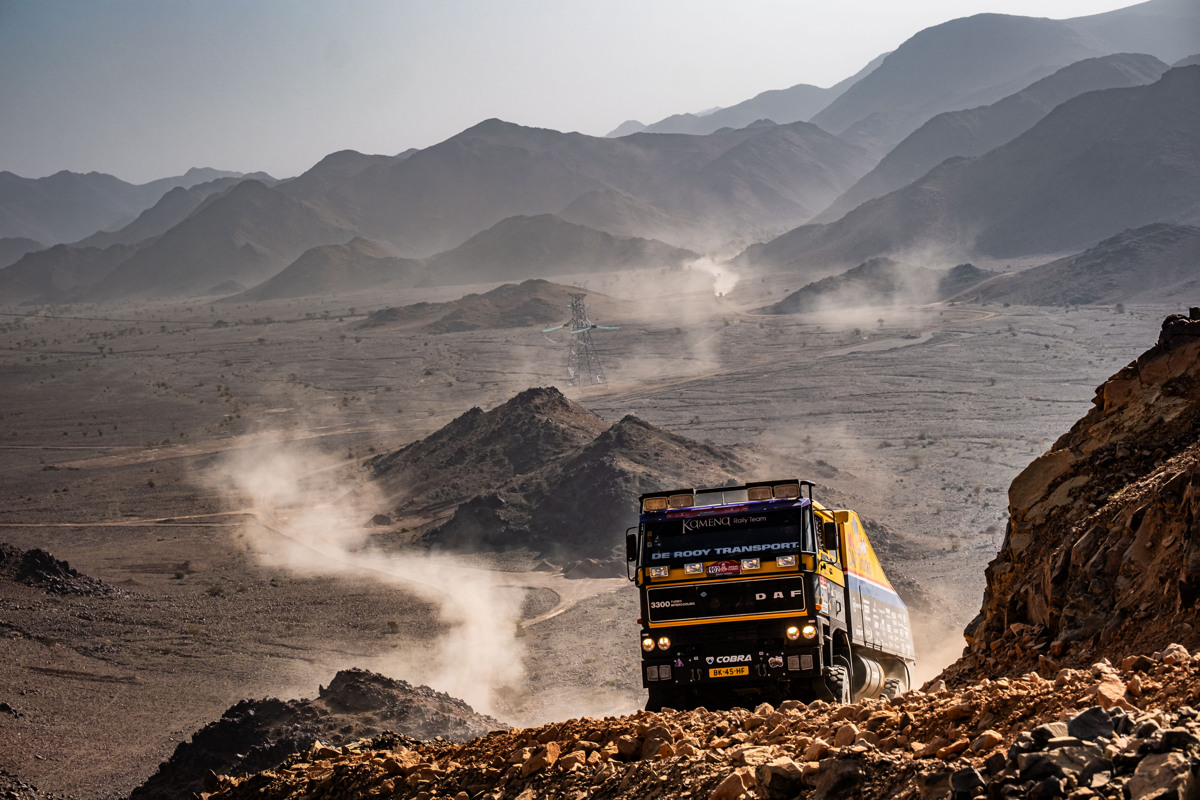
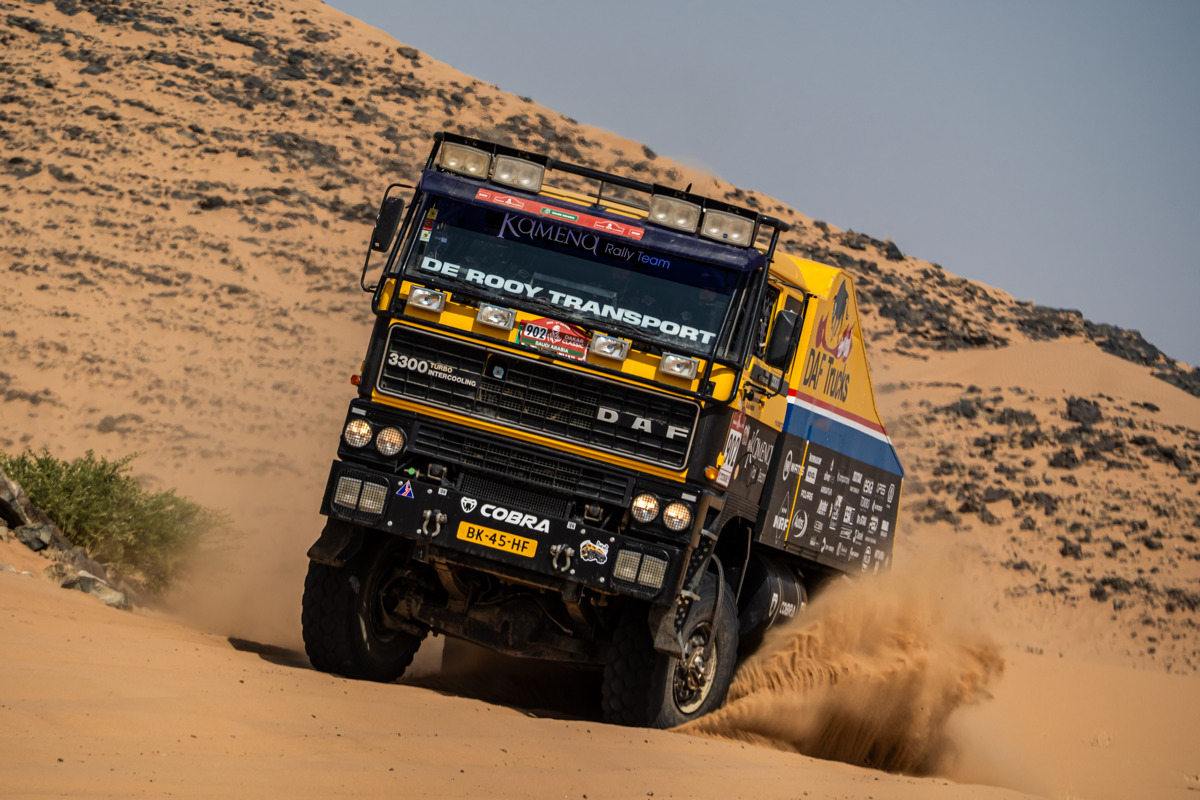
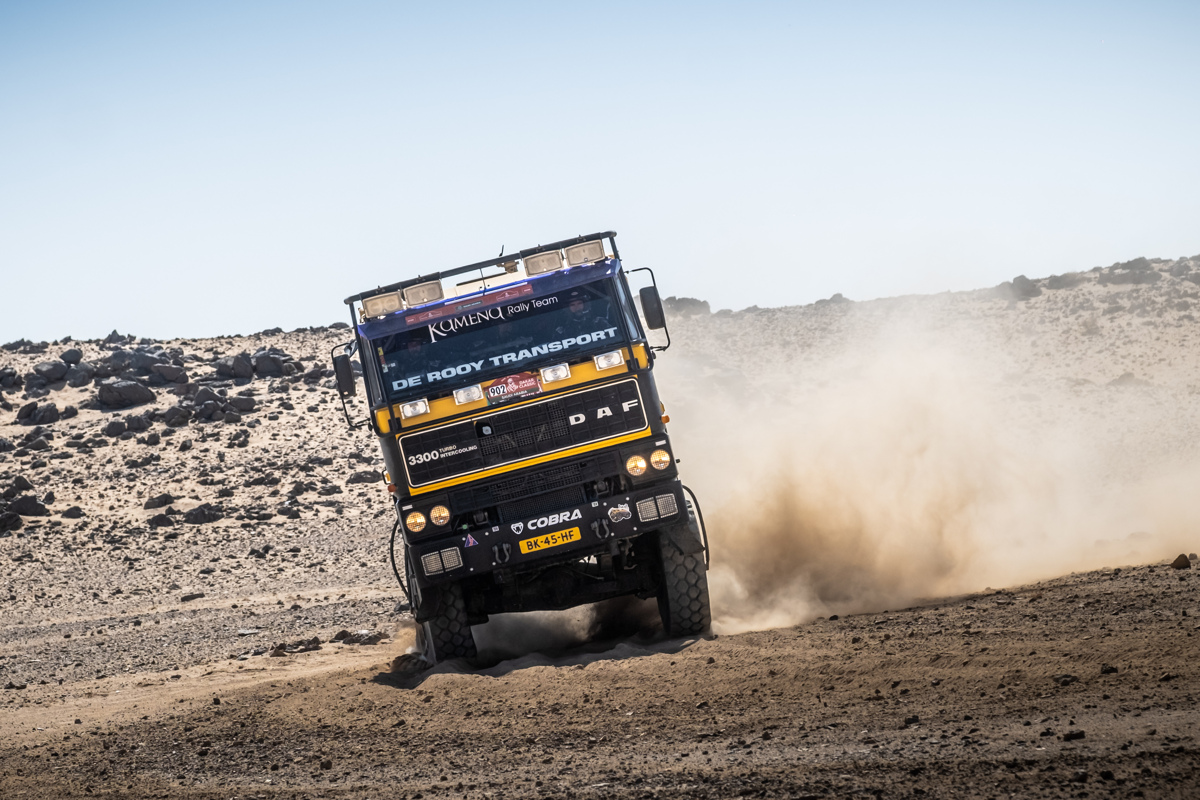
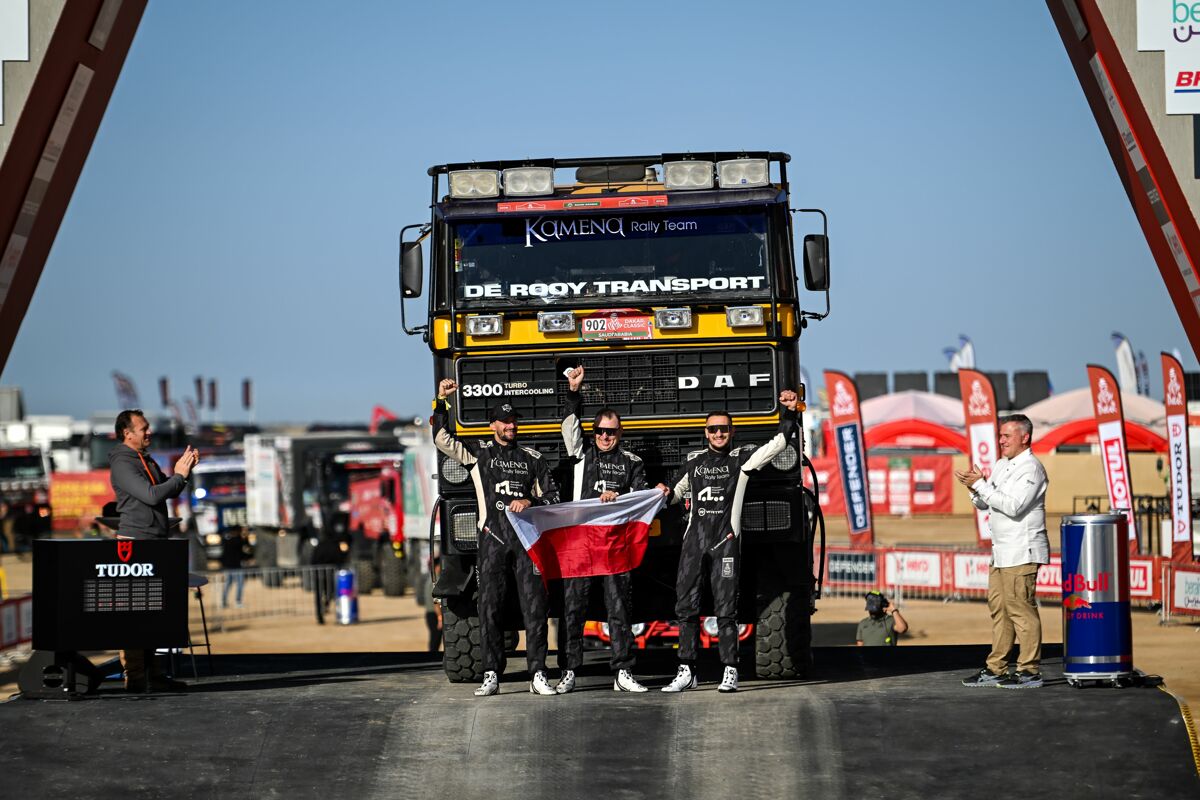
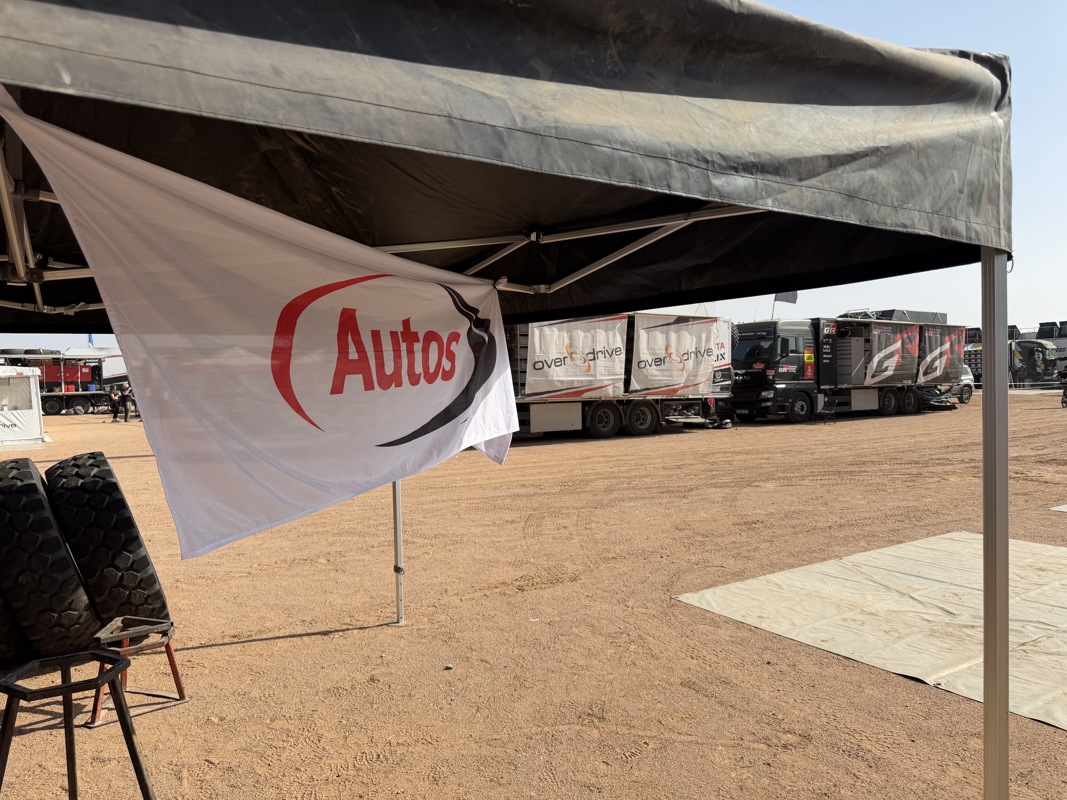
Because if something works in the Dakar, it will handle European roads without a problem. And if your radiator, axle, or engine end up in the winning vehicle , you can be sure you're two lengths ahead of the competition. Autos also had its share of success in this race. Our logo was featured on the legendary truck, which won the special stage overall for the first time in the nearly 50-year history of the Dakar. No crew has ever achieved this. What's more, the Kamena Rally Team, sponsored by us, won the Dakar Classic Truck. We're bursting with pride not only because we financially supported these incredible rally drivers, helping them embark on the adventure of a lifetime. Equally important is the fact that Silverlines, the manufacturer of our oils, helped them achieve this success .